
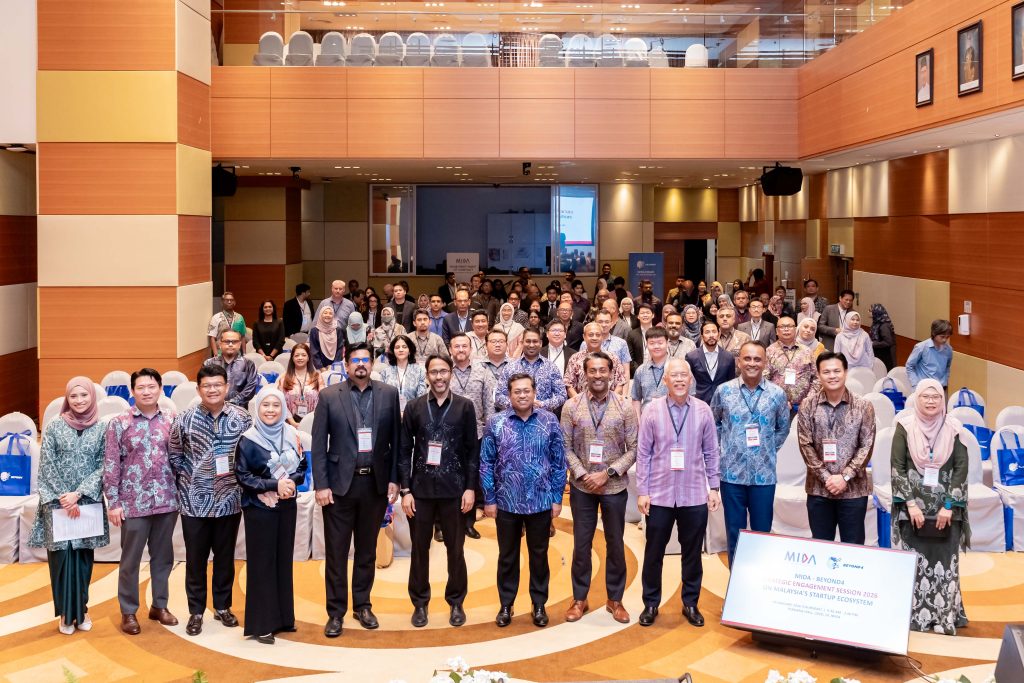
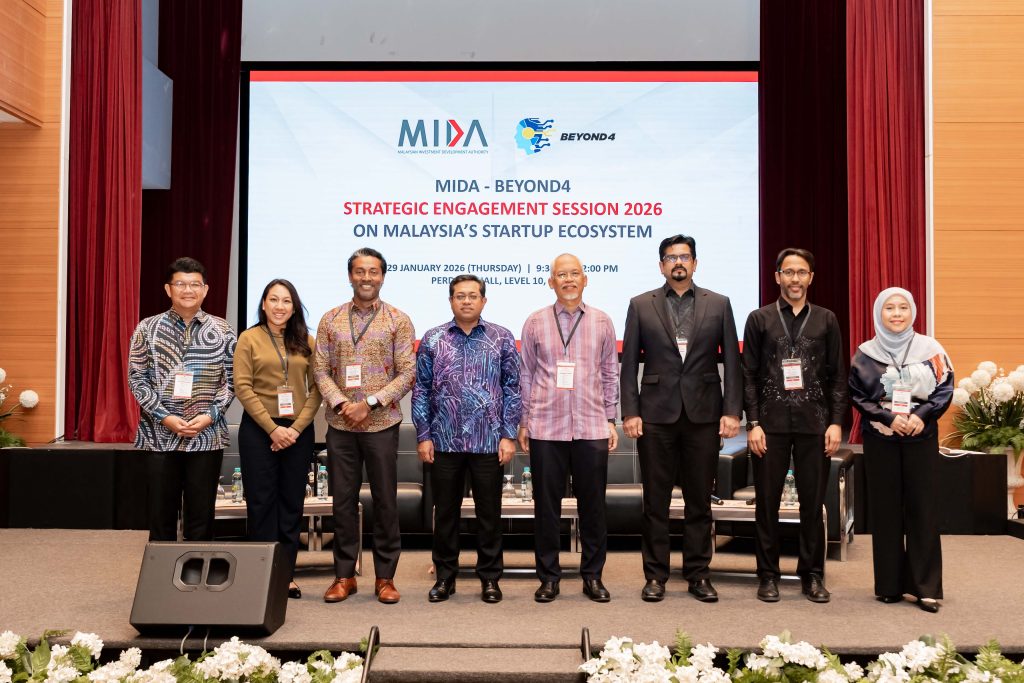
Malaysia’s ambition to emerge as a leading regional innovation hub took a significant step forward with the successful MIDA–BEYOND4 Strategic Engagement Session 2026, an exclusive high-level engagement that brought together policymakers, ecosystem leaders, investors, startups, corporates, and academic institutions to advance Malaysia’s startup and innovation agenda.
Jointly convened by the Malaysian Investment Development Authority (MIDA) and BEYOND4, the session underscored a shared commitment to strengthening Malaysia’s innovation ecosystem through a quadruple helix model — integrating government, industry, academia, and entrepreneurs to accelerate high-impact innovation and investment-led growth.
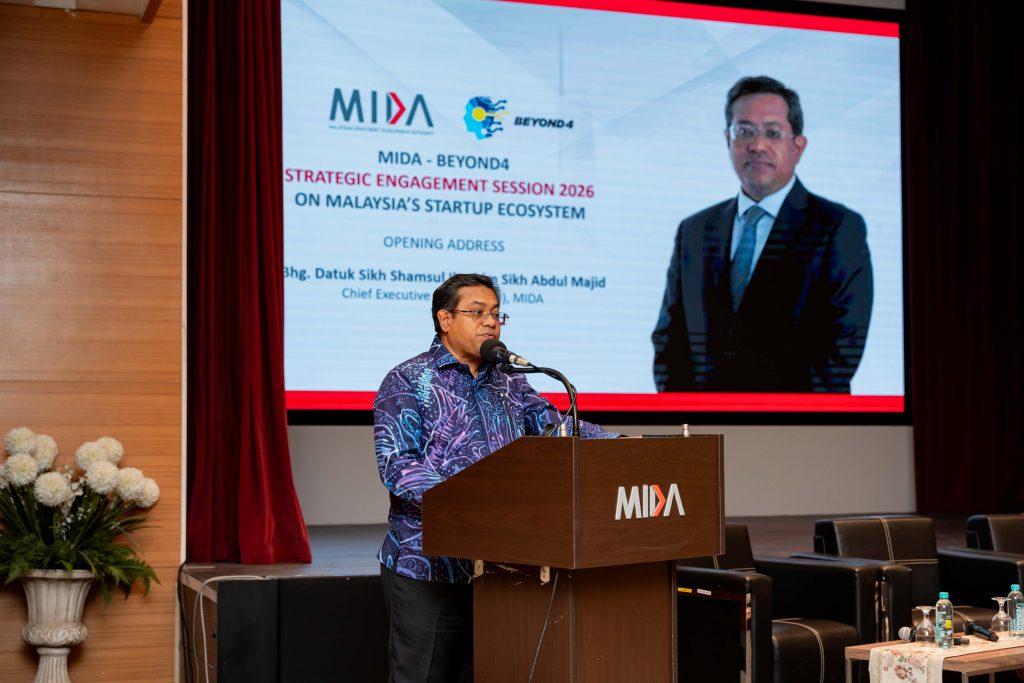
The session opened with an Opening Address by YBhg. Datuk Sikh Shamsul Ibrahim Sikh Abdul Majid, Chief Executive Officer of MIDA, who set the strategic tone for the engagement by outlining Malaysia’s aspirations to position itself as a competitive destination for innovation-led investments. He emphasised the importance of deeper collaboration between startups, investors, corporates, and institutions to unlock sustainable economic value.
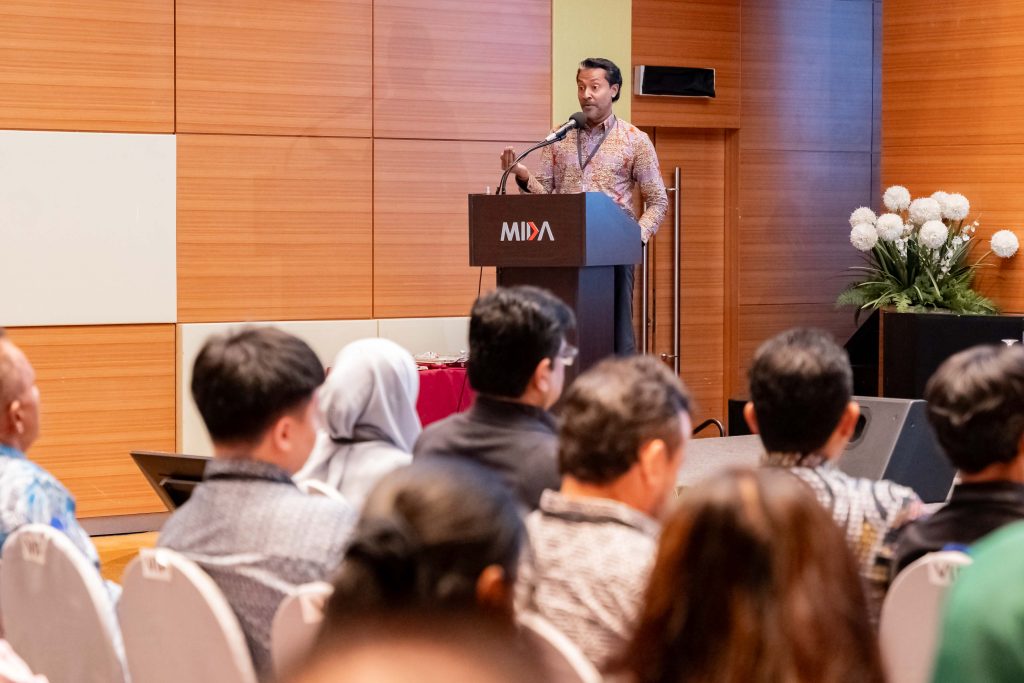
This was followed by remarks from S. T. Rubaneswaran, Chief Executive Officer of BEYOND4, who highlighted the critical role of ecosystem orchestration in enabling high-growth startups. He underscored the need for structured collaboration, market access, and investment readiness to ensure startups are able to scale beyond local markets and compete regionally.
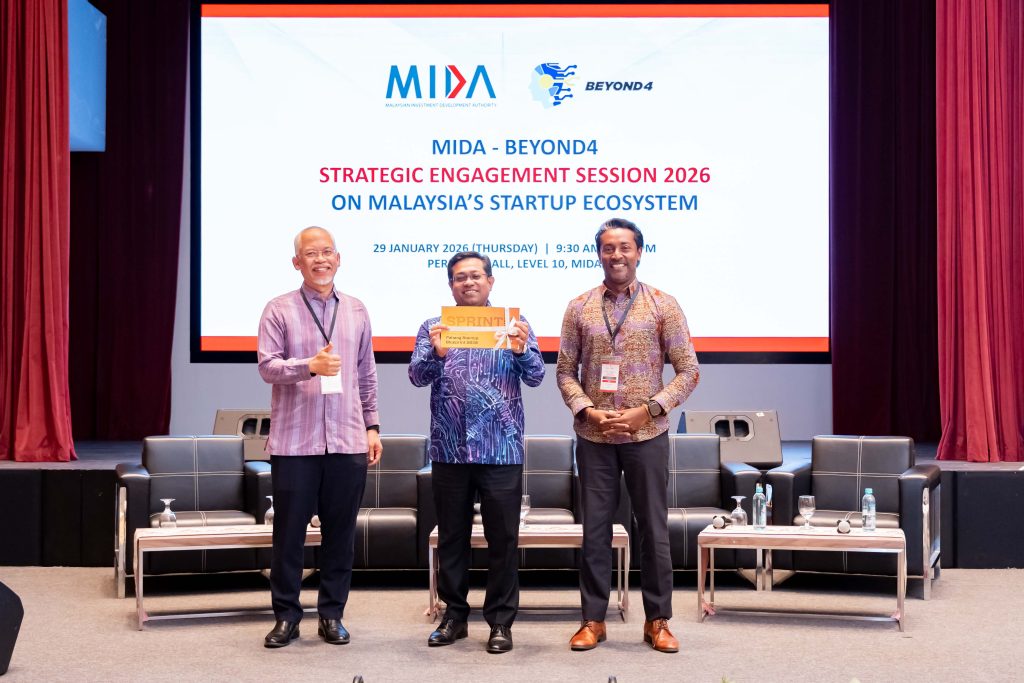
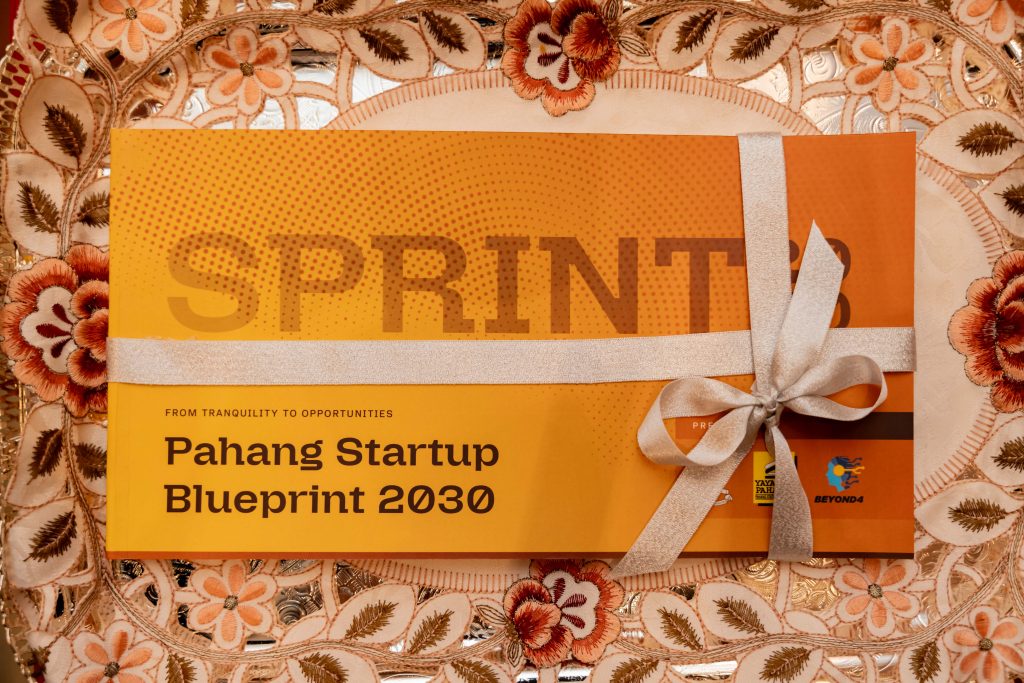
Participants also gained valuable regional insights through a presentation on the Pahang Startup Blueprint by YH Dato’ Indera Mahmud bin Mohd Nawawi, Chief Executive Officer of Yayasan Pahang. The presentation showcased Pahang’s strategic initiatives to nurture startup talent, strengthen entrepreneurial pipelines, and support the scaling of innovation-driven enterprises beyond urban centres — reinforcing the importance of inclusive, nationwide ecosystem development.
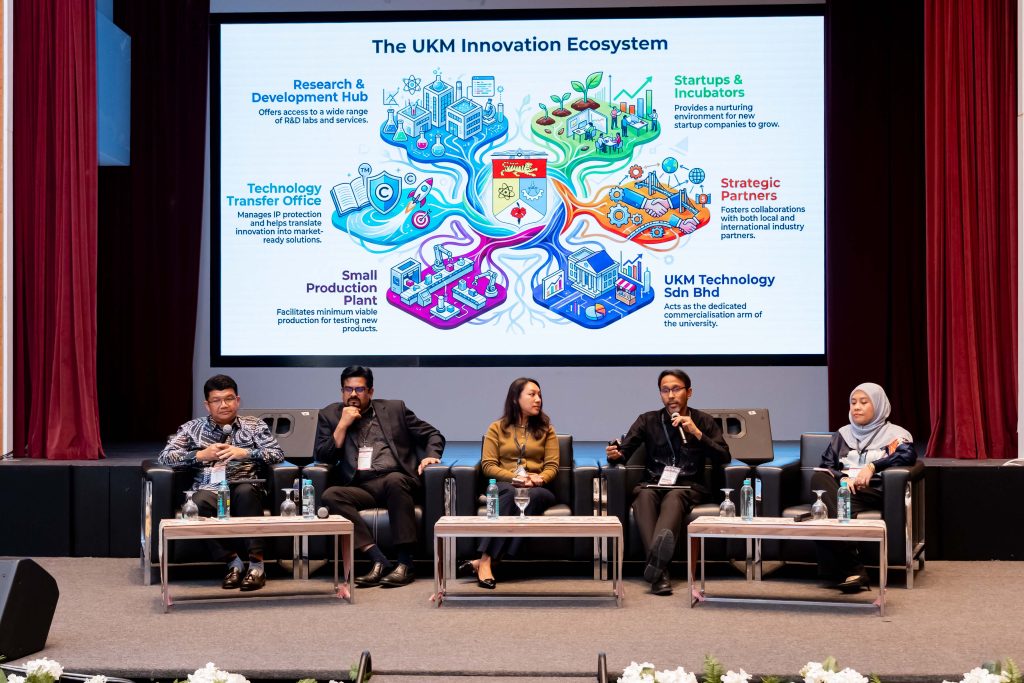
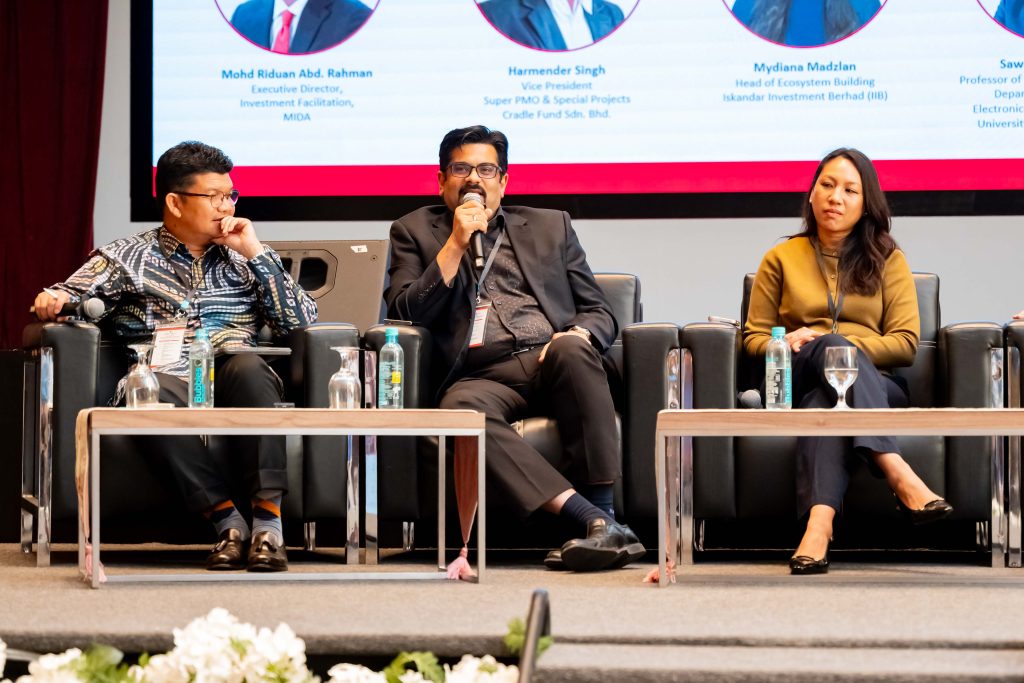
A key highlight of the engagement was the panel discussion titled “Strategies to Create a World-Class Startup Ecosystem in Malaysia”, which brought together perspectives across the quadruple helix. The panel featured Mr. Harmender Singh, Vice President, Super PMO & Special Projects at Cradle Fund Sdn. Bhd.; Ms. Ainsya Mydiana Madzlan, Head of Ecosystem Building at Iskandar Investment Berhad (IIB); Prof. Dr. Sawal Hamid Md. Ali, Director of the Centre for Innovation & Technology Transfer (INOVASI), Universiti Kebangsaan Malaysia (UKM); and Prof. Dr. Suraya Abdul Rashid, Founder and Chief Scientist of Qarbotech Sdn. Bhd.
The discussion explored practical strategies to attract and retain high-growth startups, strengthen industry–startup collaboration, commercialise research, and enhance investment pathways. From candid startup journeys to policy and institutional perspectives, the dialogue reinforced the importance of coordinated action in building a globally competitive startup ecosystem.
In his address, the CEO of MIDA reaffirmed the agency’s commitment to facilitating stronger linkages between startups and investors, including strategic and foreign investors, while encouraging deeper industry–startup collaboration in high-impact sectors. He emphasised that while government plays a catalytic role, ecosystem transformation requires shared responsibility:
“It requires investors who are prepared to take thoughtful risks, corporates who are open to adopting new technologies, universities willing to commercialise research, and founders who are ready to think beyond immediate horizons. When each of us plays our part, the ecosystem becomes stronger.”
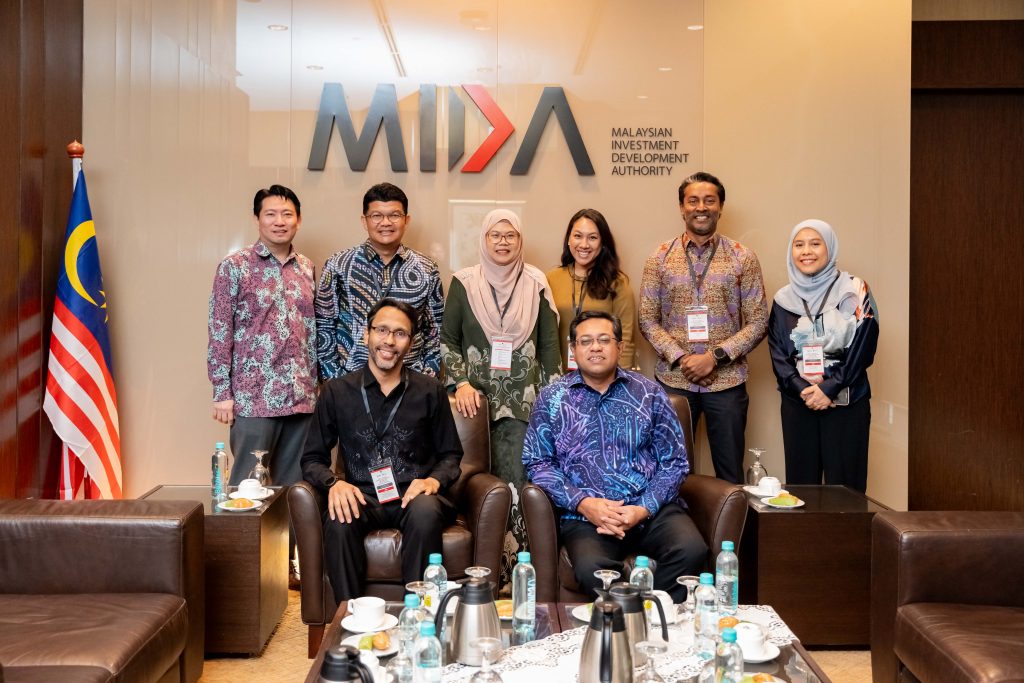
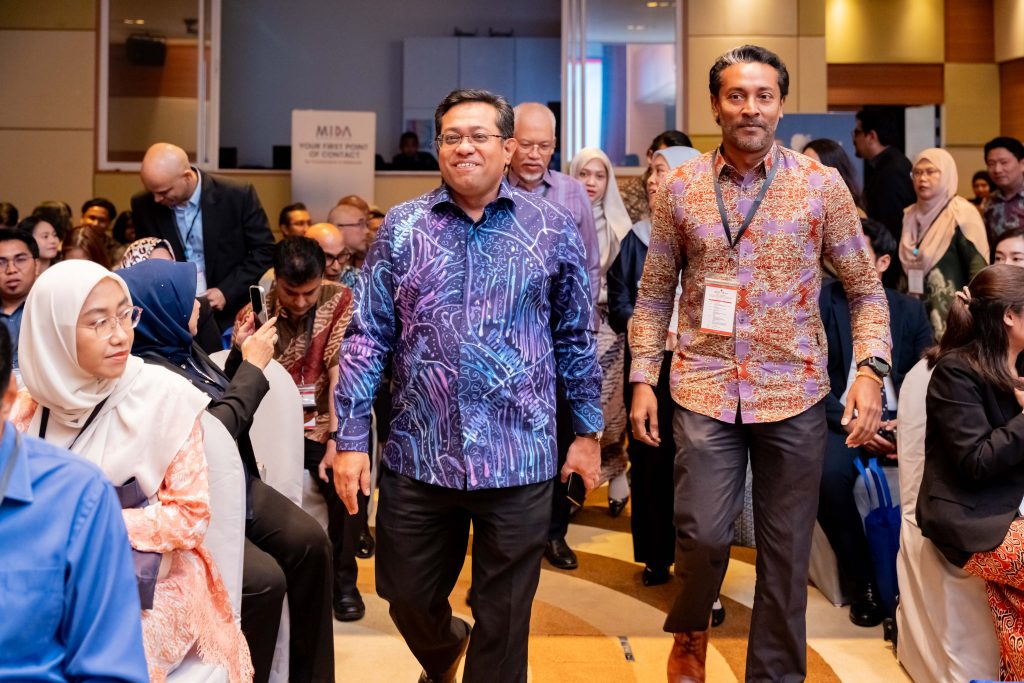
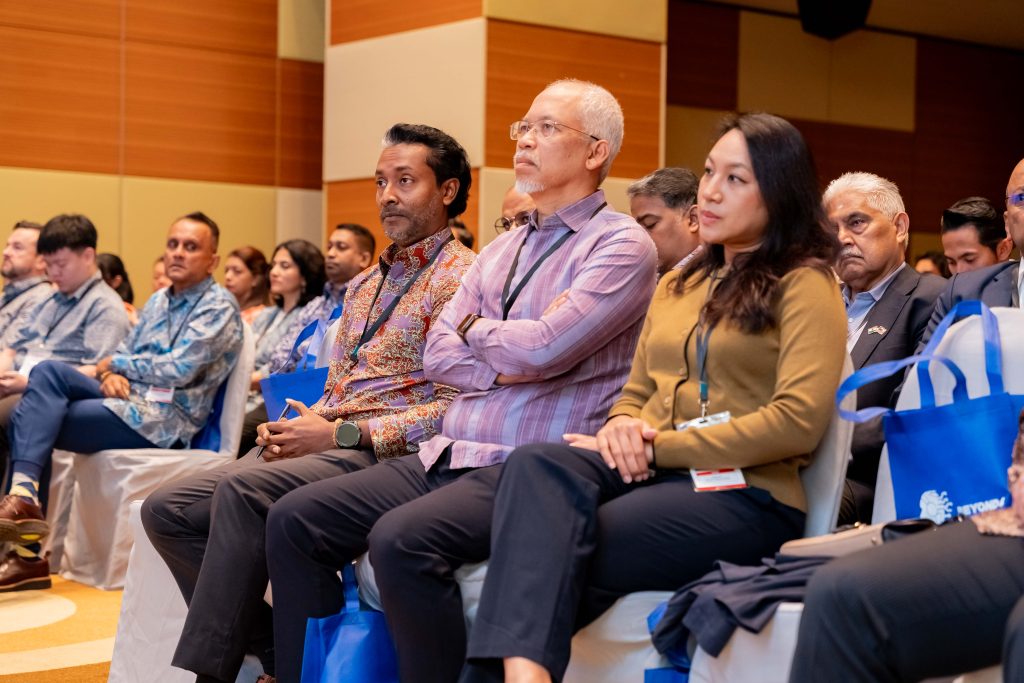
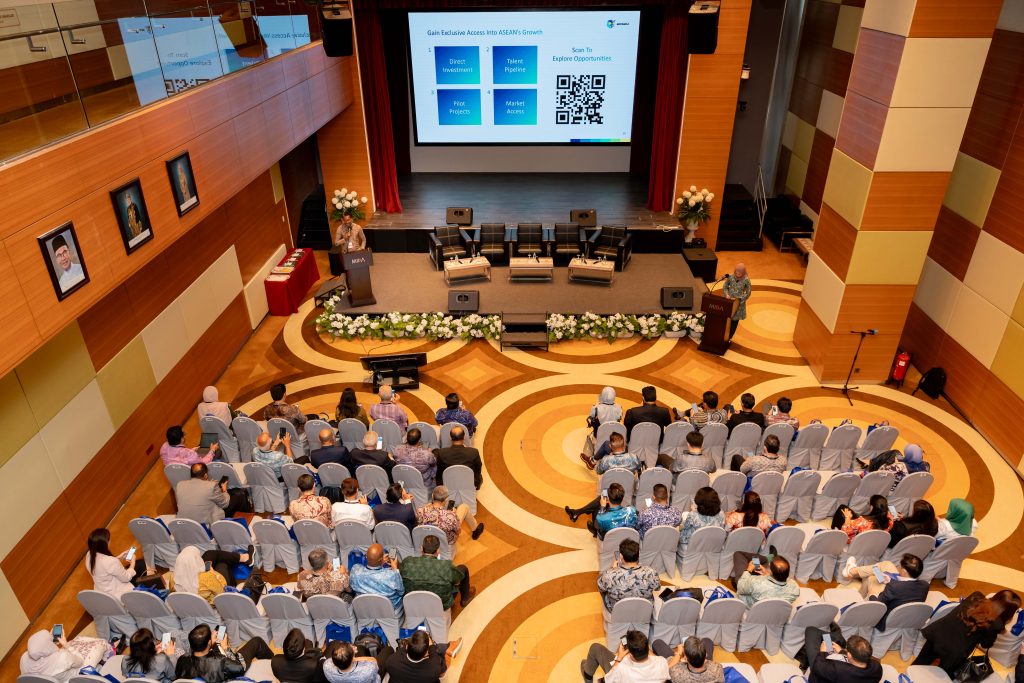
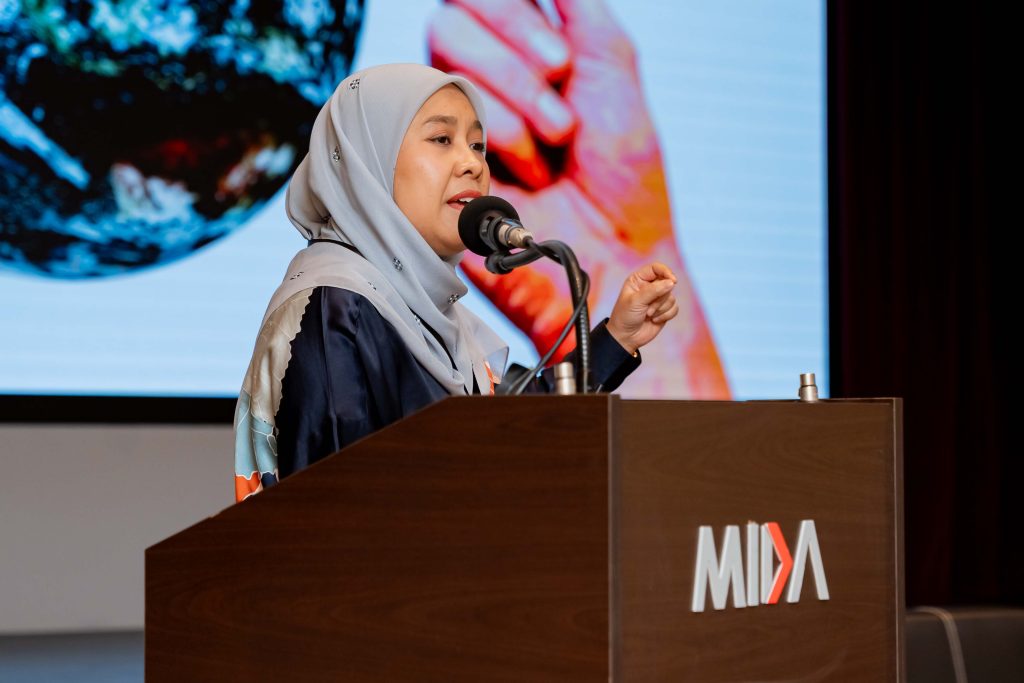
The MIDA–BEYOND4 Strategic Engagement Session 2026 concluded with a shared resolve to translate dialogue into action — leveraging collaboration, investment readiness, and ecosystem alignment to drive sustainable growth. As Malaysia continues to strengthen its position in the regional innovation landscape, engagements such as this serve as critical platforms to align stakeholders, mobilise capital, and shape an ecosystem that is resilient, inclusive, and globally competitive.